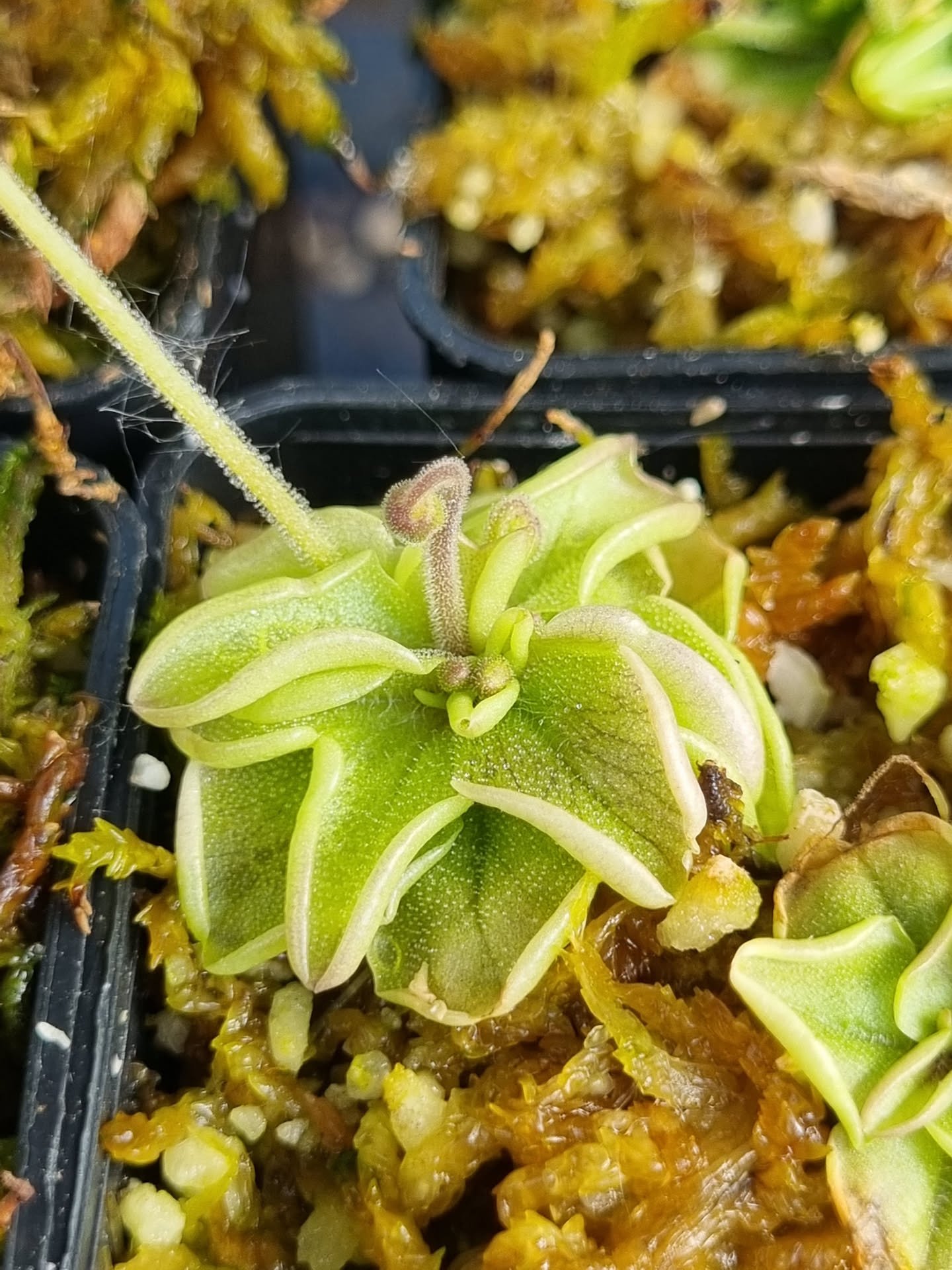
Pinguicula pumila var. buswellii
yellow flower
The smallest butterwort in the southeastern United States, and one of the only annual species in the entire genus. P. pumila grows fast, flowers quickly, sets seed and dies, sometimes within a single season. Its name means "dwarf" in Latin. The species was first described in 1803 by André Michaux, a French botanist sent by Louis XVI to catalogue North American flora. His Flora Boreali-Americana was published five months after Michaux's death from tropical fever in Madagascar. Most P. pumila have pale violet flowers, but this is the yellow-flowered form from south Florida, historically described as var. buswellii after Walter Buswell, a South Florida plant collector. Modern treatments have sunk the variety, treating it as a colour morph within the species.
Found across the coastal plain from North Carolina to Texas and the Bahamas, P. pumila grows in wet pine flatwoods, savannas and seepage slopes, the kind of fire-maintained longleaf and slash pine landscapes that once covered much of the southeastern US. The yellow-flowered form comes specifically from south-peninsular Florida, where plants grow in sandy to marly soils that flood in the rainy season and dry out in summer.
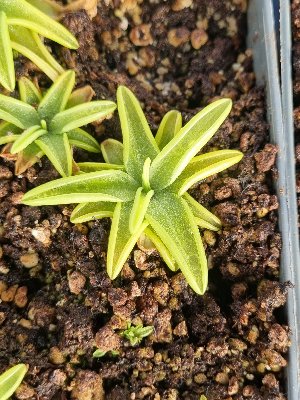
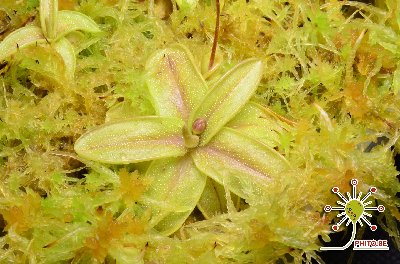
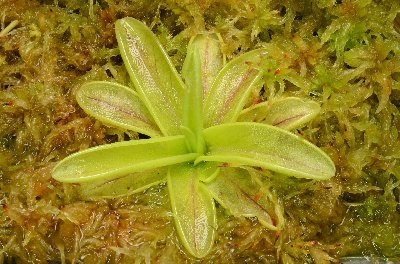
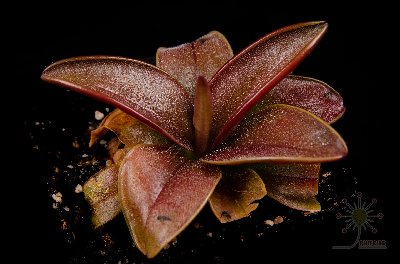
Rosettes are tiny, barely 4 cm across, with pale green sticky leaves flat against the ground. Flowers sit on slender stalks 10 to 20 cm tall, well above the trapping leaves. Compared to larger southeastern relatives like P. primuliflora or P. planifolia, this is a delicate, fast-cycling plant that needs ongoing seed production to maintain in cultivation.